On the Real Watership Down
Newtown Common
The most hazardous leg of their journey south has the rabbits crossing the alien, inhospitable woods and heathland near Newtown.
Wandering on, they climbed a hill and came to Newtown Common – a country of peat, gorse and silver birch. After the meadows they had left, this was a strange, forbidding land. Trees, herbage, even the soil – all were unfamiliar. They hesitated among the thick heather, unable to see more than a few feet ahead. Their fur became soaked with the dew. The ground was broken by rifts and pits of naked, black peat, where water lay and sharp, white stones, some as big as a pigeon’s, some as a rabbit’s skull, glimmered in the moonlight.
Whenever they reached one of these rifts the rabbits huddled together, waiting for Hazel or Bigwig to climb the further side and find a way forward. Everywhere they came upon beetles, spiders and small lizards which scurried away as they pushed through the fibrous, resistant heather.
Chapter Ten—The Road and the Common.
After heading south from Newtown Church, the rabbits endure an enervating, anxious night as they slowly pick their way through the claustrophobic surrounds of Newtown Common (Chapter Ten, The Road and the Common).
Disorientated by thick gorse bushes, peat cuts, impenetrable heather and unsettling noises, the landscape is completely unfamiliar to the hlessil. Confusing, unnerving and at times terrifying, this alien place is not for rabbits. All know this, and in Chapter Ten the disconcertment of Acorn, Speedwell and Hawkbit spills over into short-lived dissent against Hazel’s insecure leadership. Nonetheless, persistence and determination carry the rabbits onwards into the dawn and the open fields to the north-east of Burghclere (Chapter Eleven, Hard Going).
Notably, this section of the story is omitted from the 1978 film, probably due to time constraints. Instead, the tired rabbits find themselves caught in a storm and attempt to shelter under a tree.
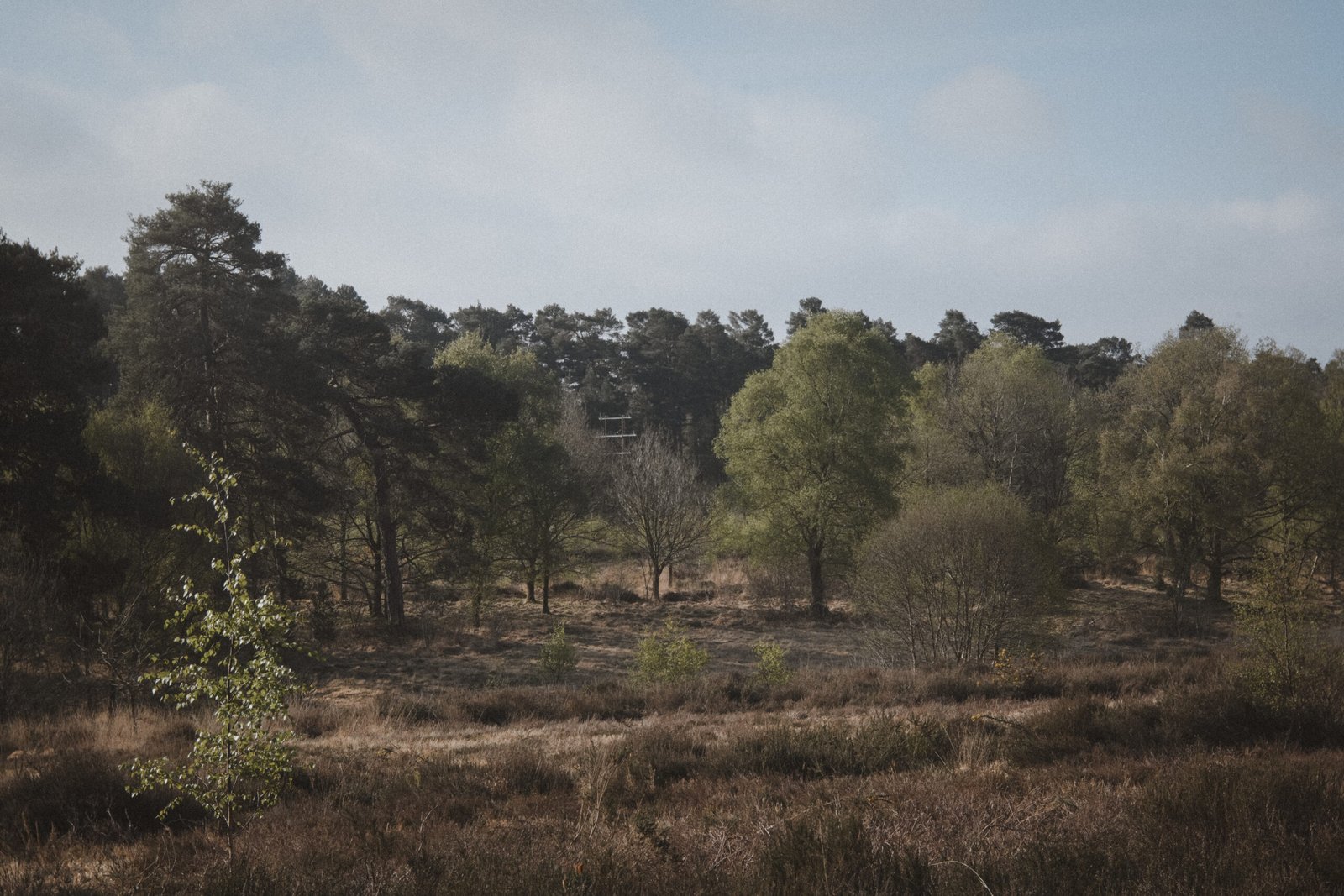
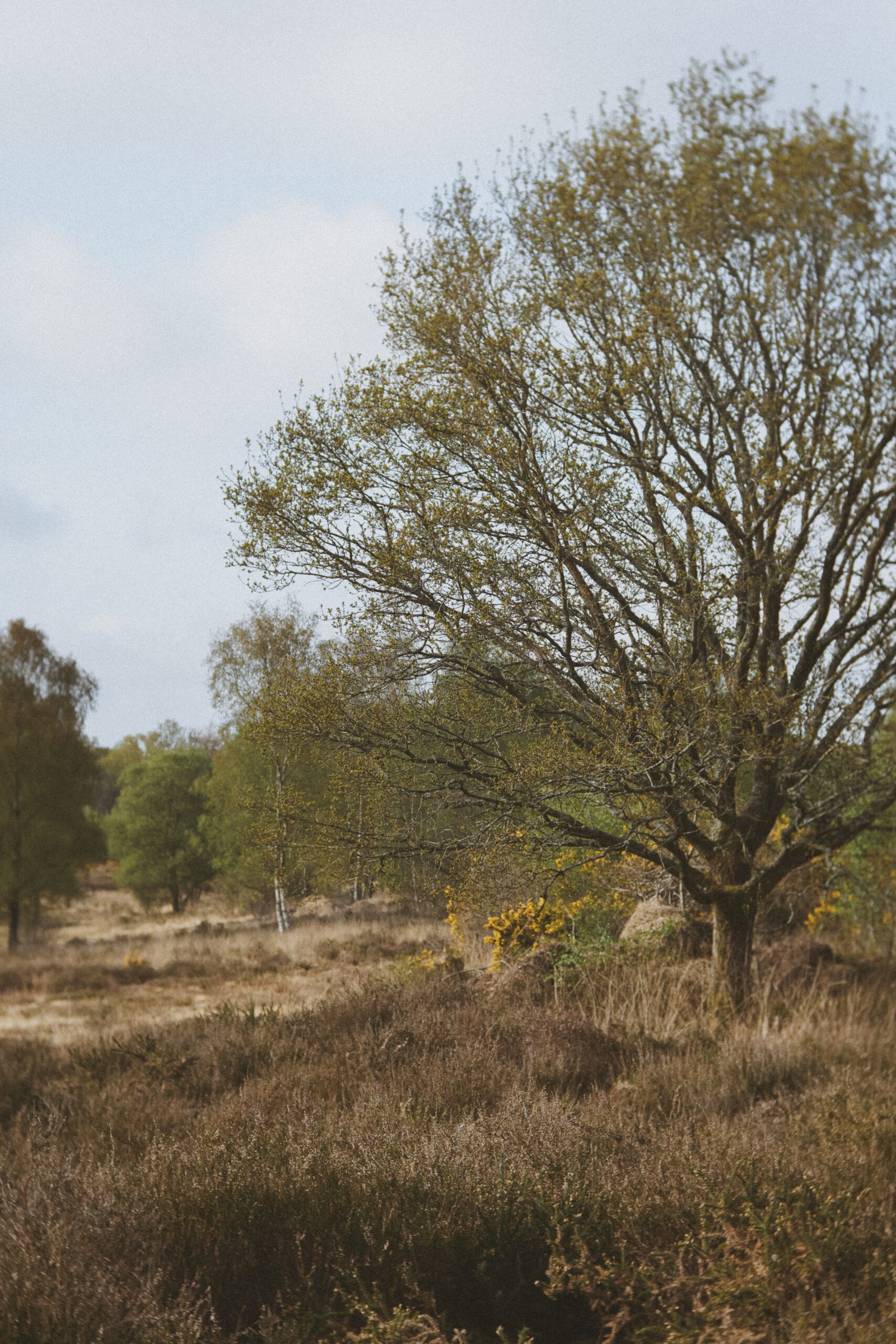
Newtown Common heathland. April 2025.
Some 146 acres in size, Newtown Common is an area of wood and heathland split into eastern and western sections along the rough north-south axis of Well Street, a quiet road between Newtown Church and Burghclere.
The geographical realities of the novel dictate that it is the eastern section of Newtown Common that the rabbits had to contend with. As beautiful as the place is to the human eye on a crisp Sunday morning in April, it is easy to see how it would have challenging it would have been for the rabbits to pass through. At ground level, the moor grass is rough and uneven, and the heather acts as both a barrier and a funnel. As the narrative states in Chapter Eleven, ‘In this low undergrowth their disorganized progress and uneven, differing rhythms of movement delayed them still more than in the wood.’
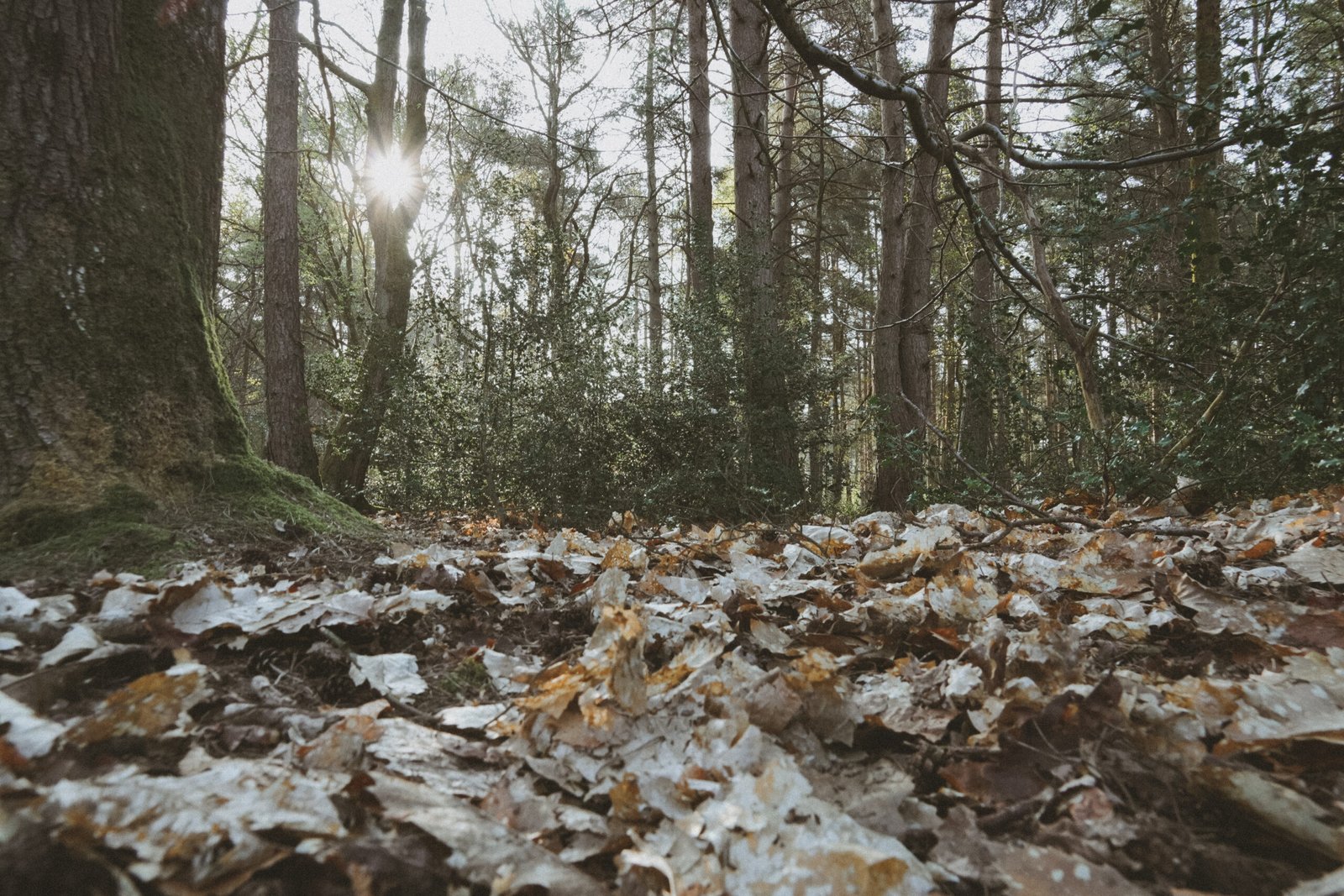
A rabbit’s eye view of Newtown Common woodland, east of Well Street.
The exact route taken by the rabbits across Newtown Common isn’t clear but their journey would have necessitated crossing two lanes: Adbury Holt and the eastern end of Ox Drove. Since World War II, both have witnessed significant changes. A fair number of houses have been constructed along Adbury Holt, and this lane has become the north-west boundary, together with Ox Drove in the south-east, of the now deeply wooded Herbert Plantation.
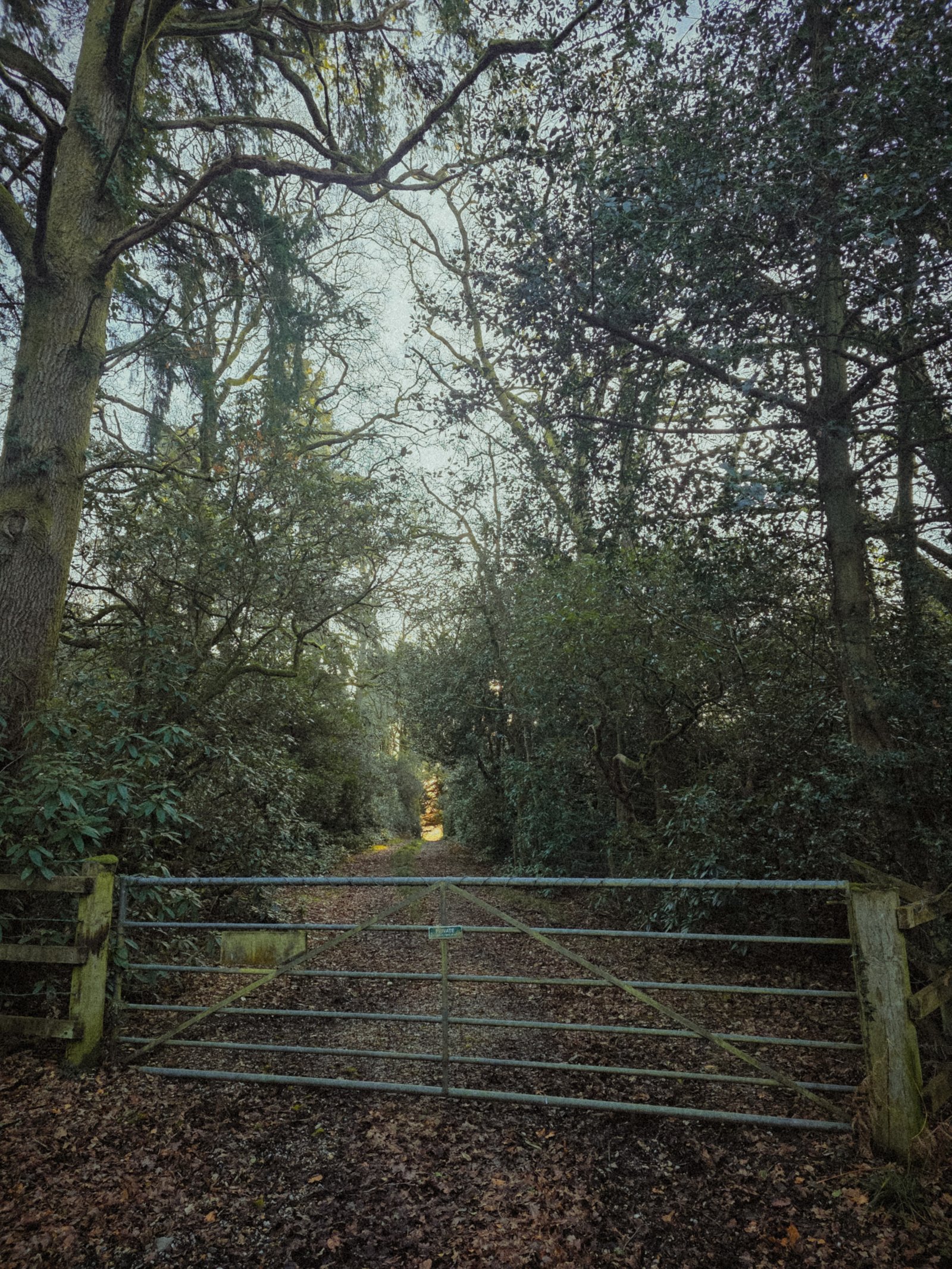
The entrance to the track where the rabbits descended down towards the open fields near Cowslip’s Warren. February 2026.
To emerge close to Cowslip’s Warren, the Sandleford rabbits found their way onto a gravel track.
Within Chapter Eleven we are told:
The gravel track led downhill into a narrow belt of silver birch and rowan. Beyond was a thin hedge; and beyond that, a green field between two copses. They had reached the other side of the common.
I believe this track adjoins the quiet Adbury–Burghclere lane to the east, about 130m south from the end of Ox Drove. It appears on a 1959 Ordnance Survey map as a thin, short roadway dividing a wooded area and emerges west of High Wood, close to the site of Cowslip’s Warren. It still exists today but sits behind a gate and barbed wire on private agricultural land.
Gallery
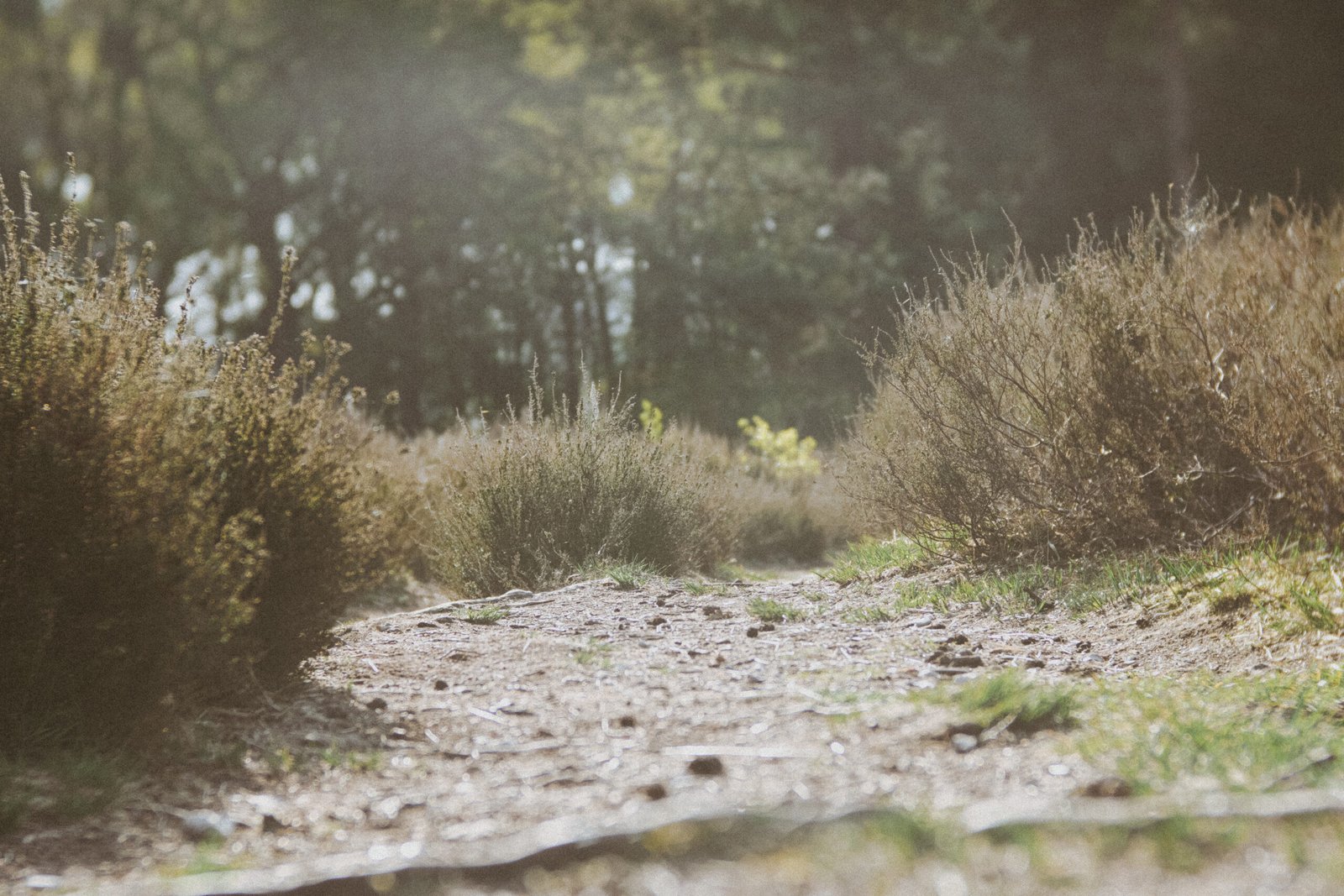
Heather isn’t so bad for a rabbit when you’re on a path through the heathland…
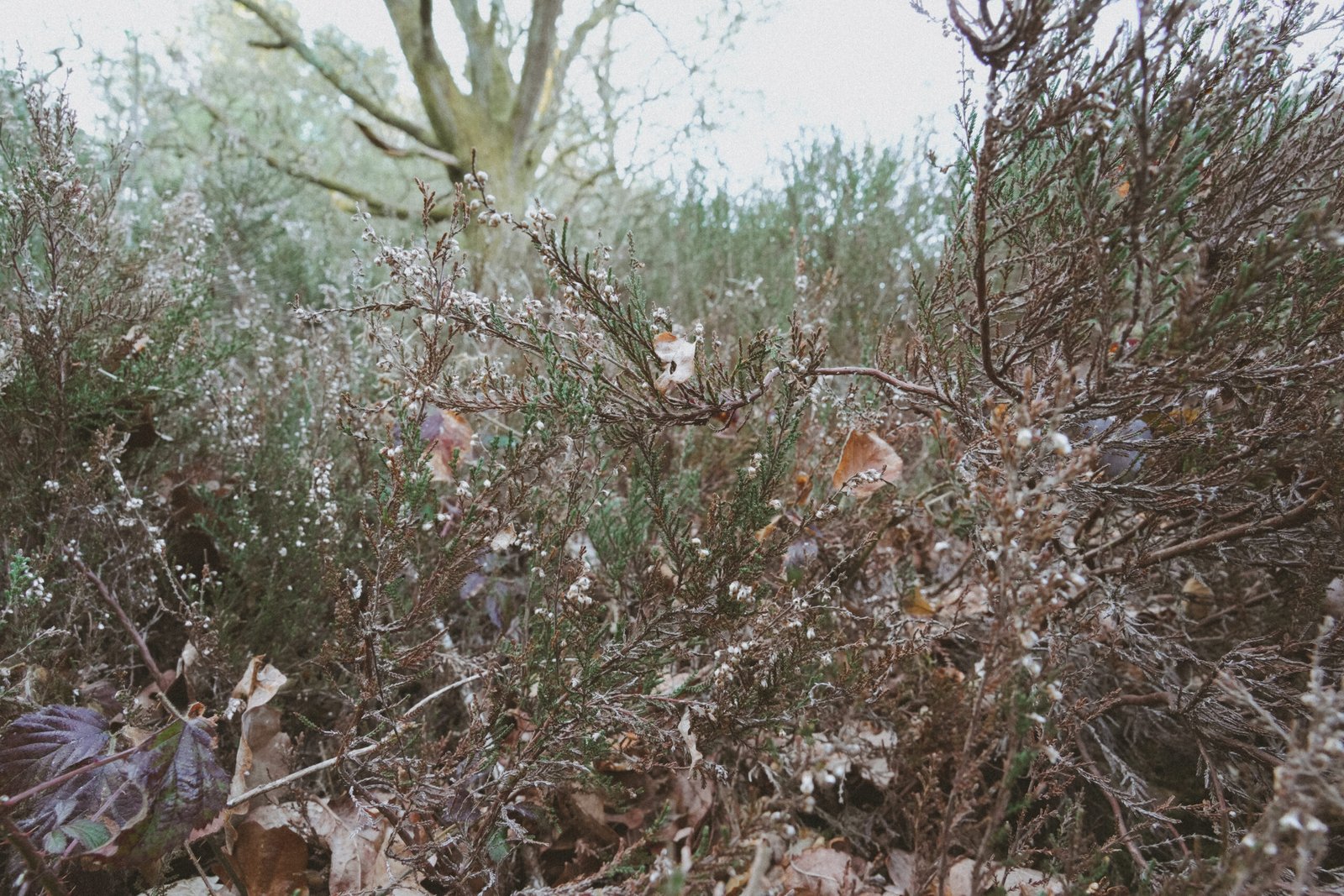
…but when you’re off the path it’s almost impossible to navigate!
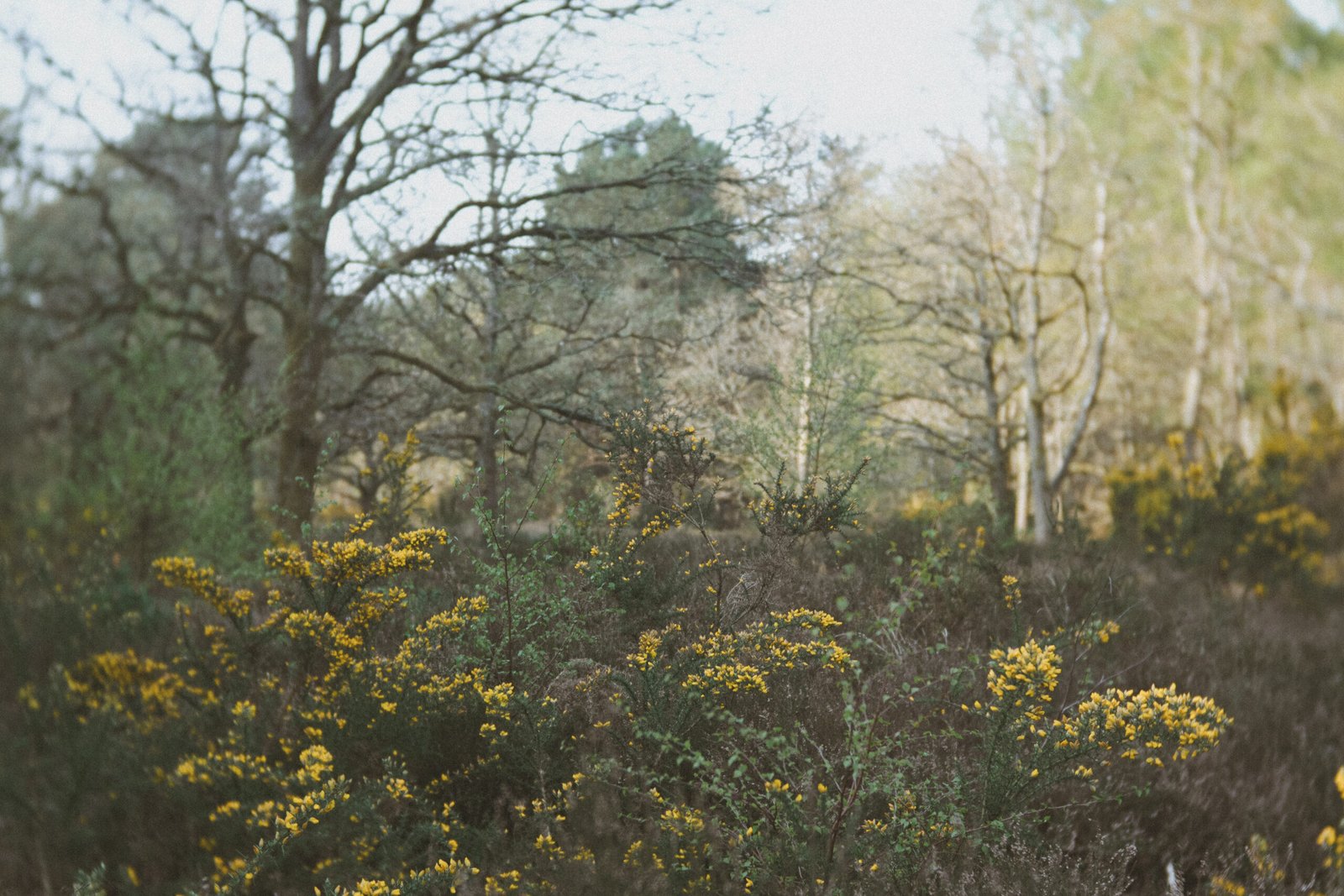
Thick dwarf gorse close to Well Street.
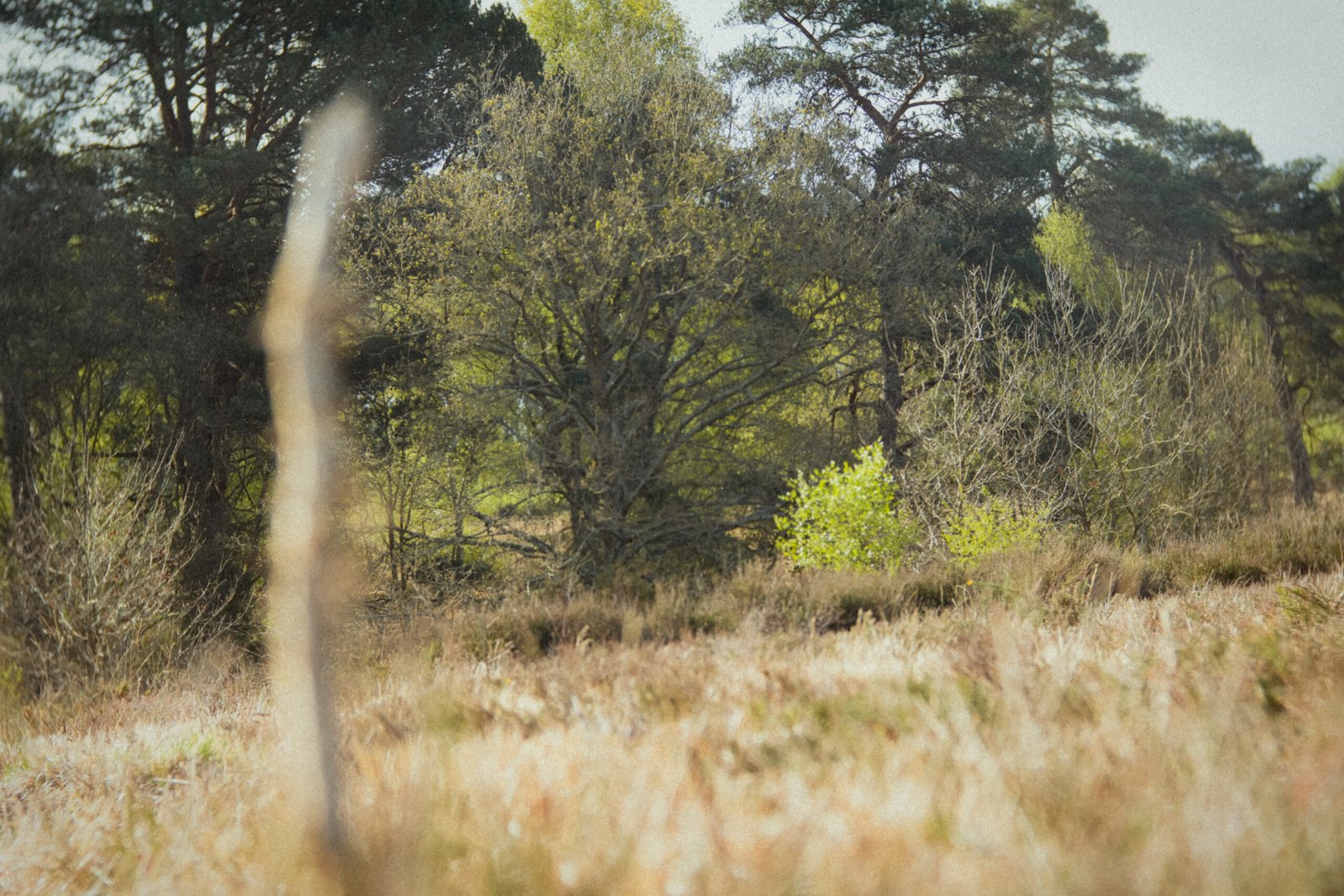
On the heathland, looking over moor grass.
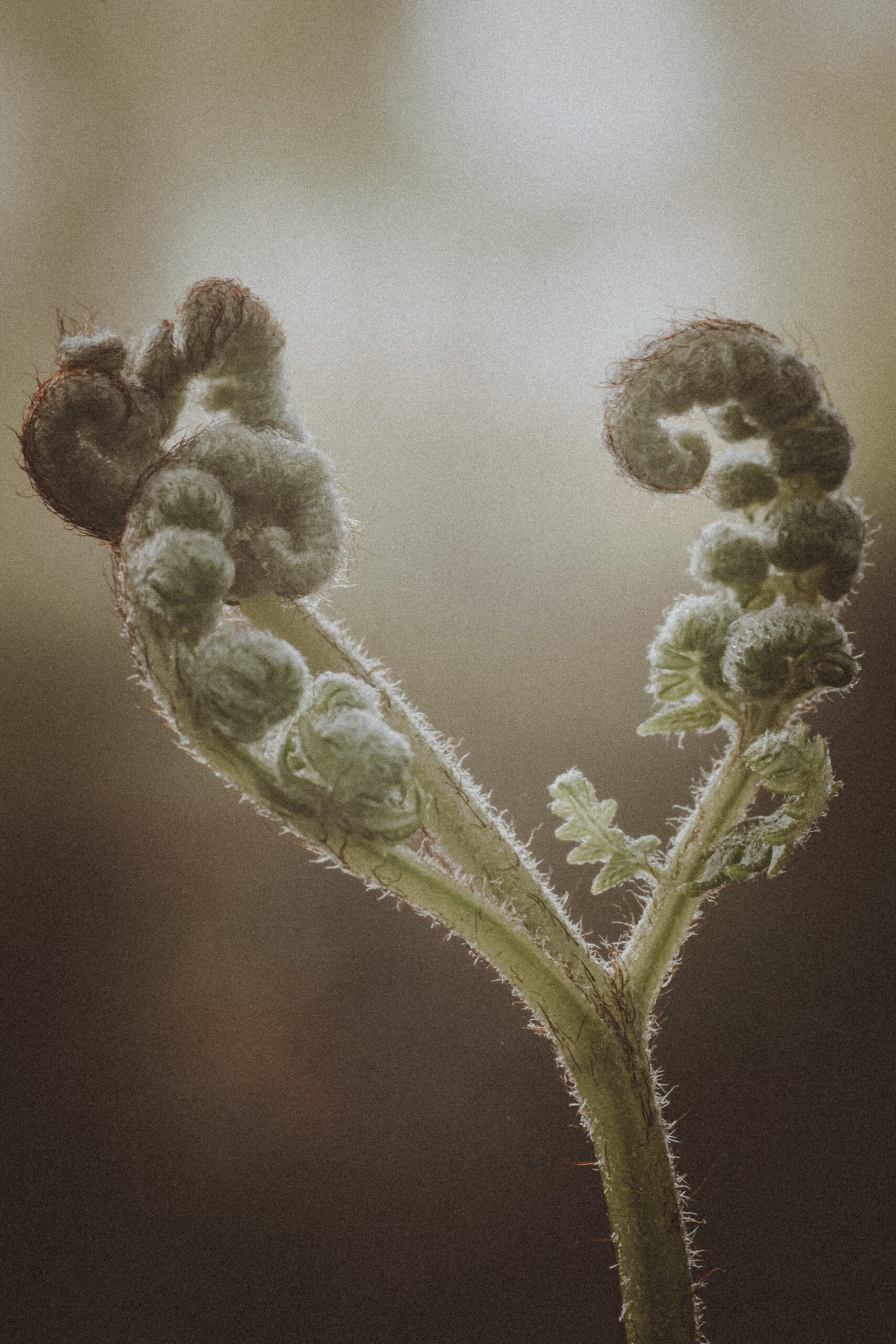
Bracken.