Caesar’s Belt Daisies
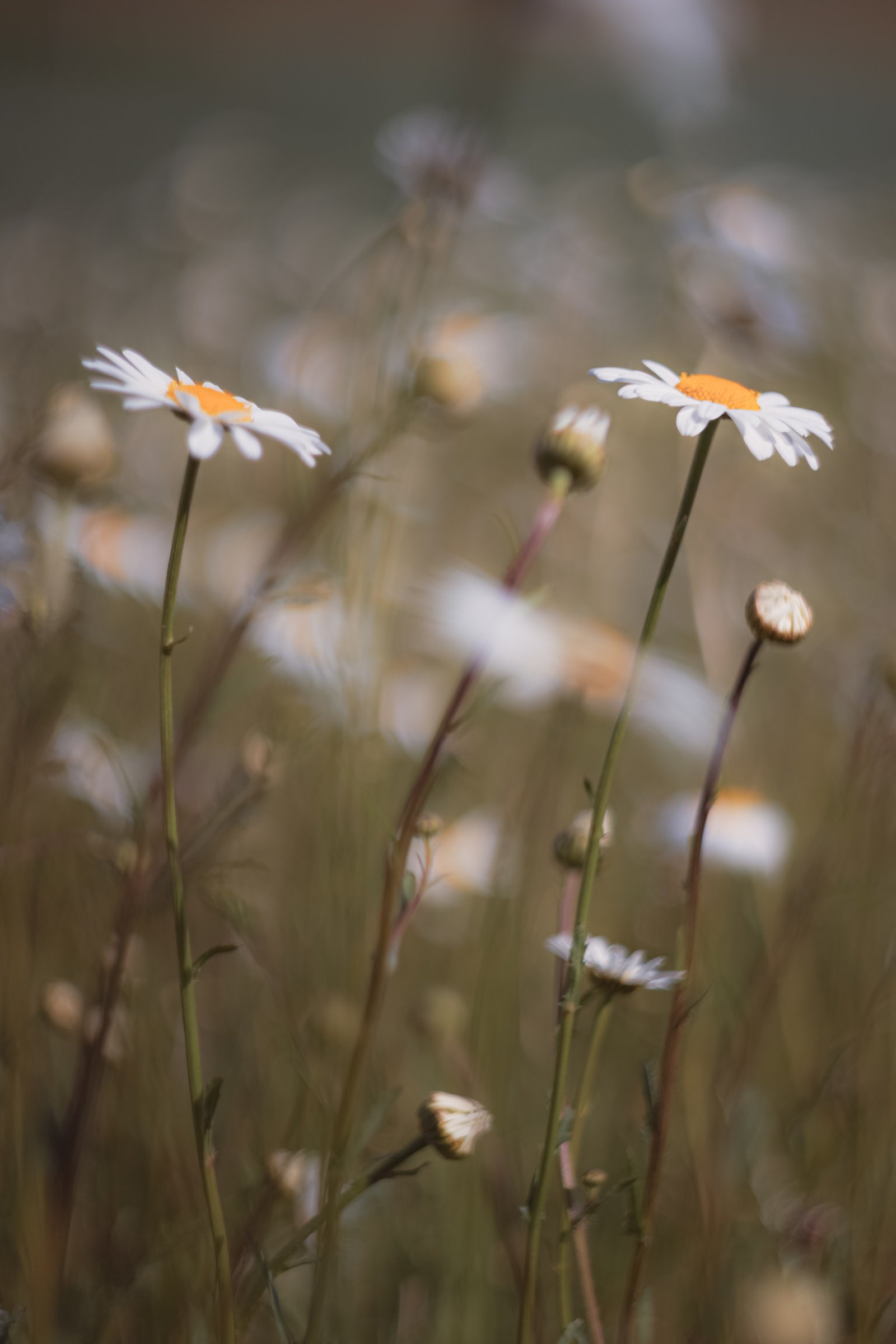
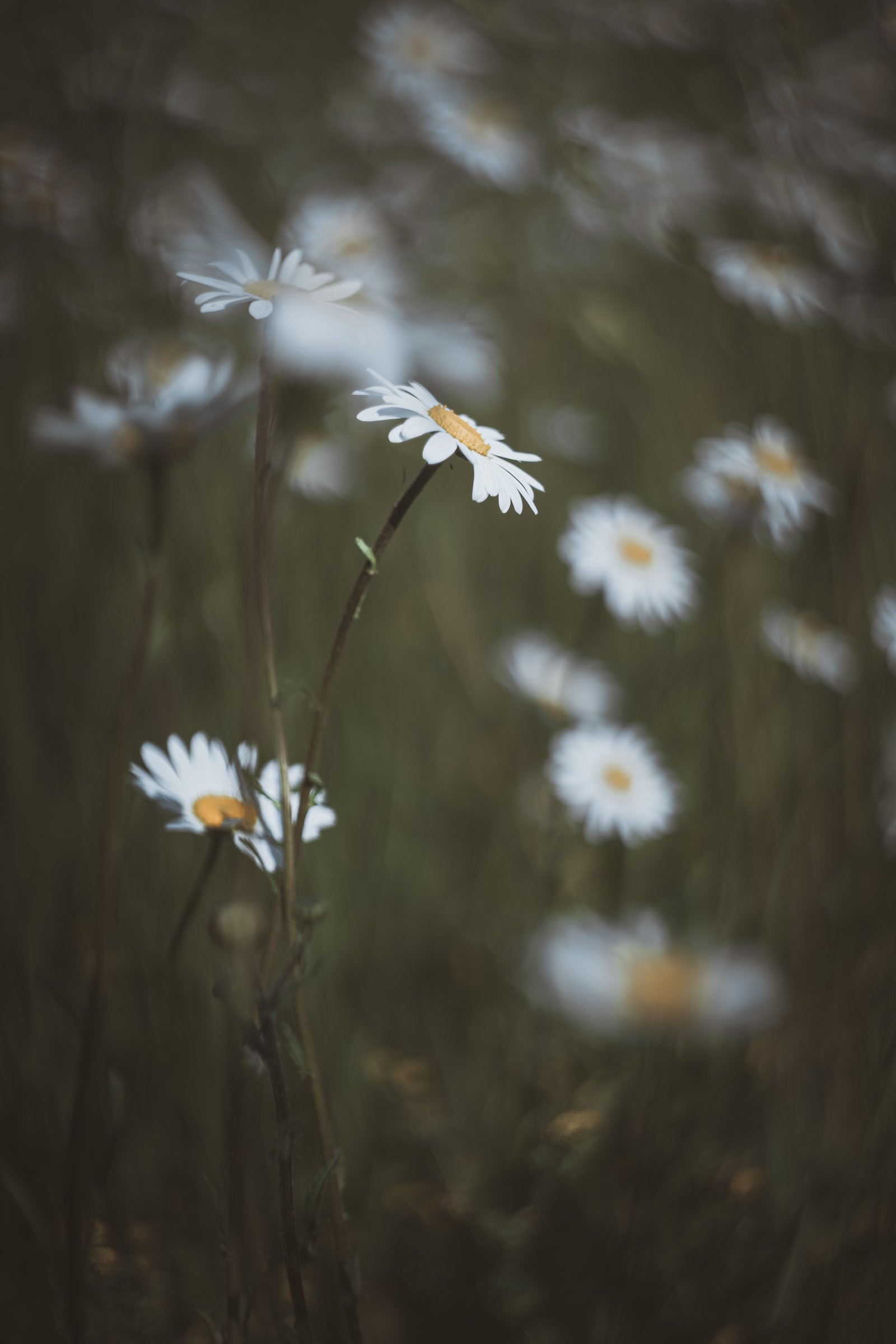
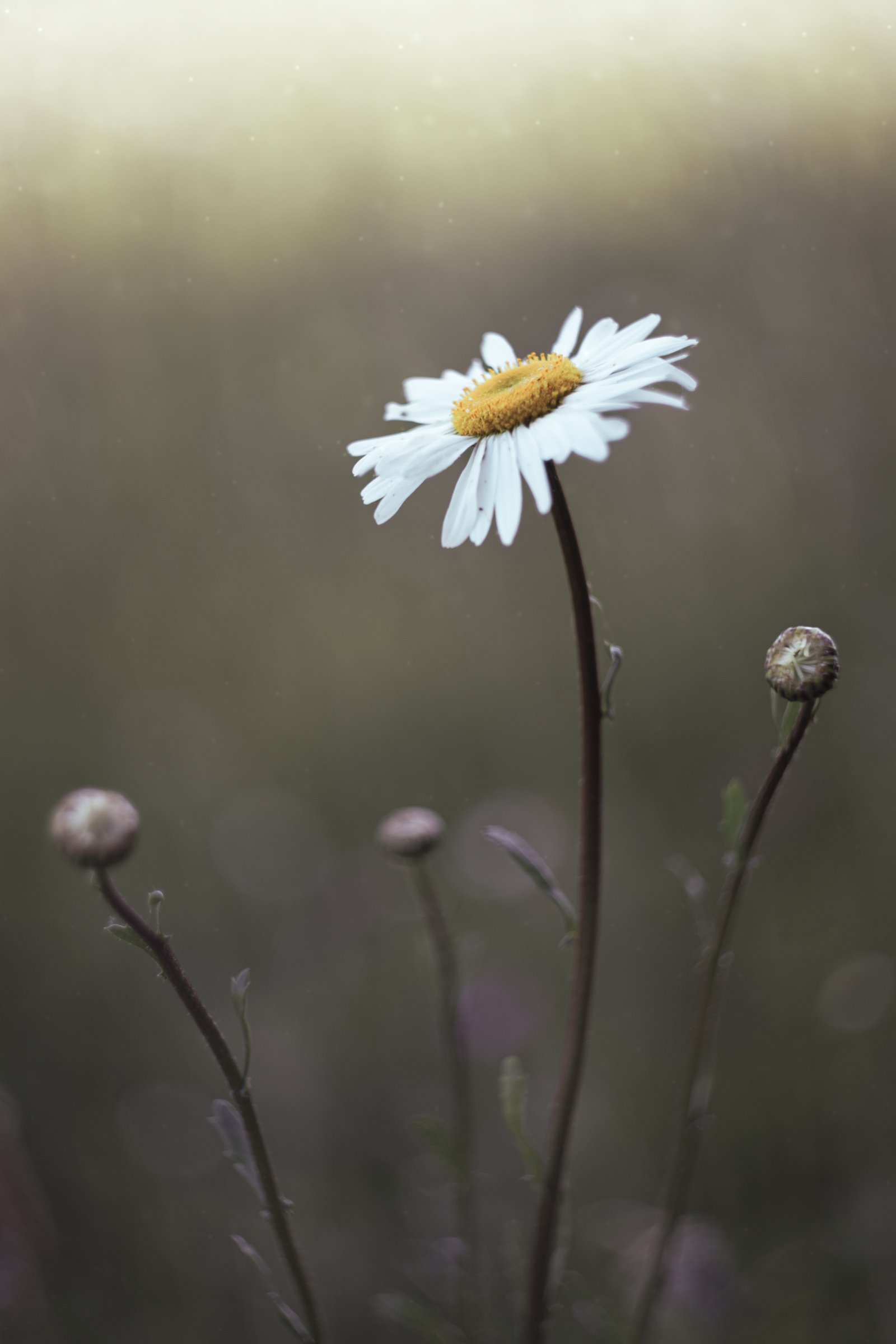
Daisies are members of the Asteraceae plant family, all of which are notable for their flat, disc-shaped flowers. The English, or Common Daisy is, as its name indicates, ubiquitous across southern England. This is the archetypal small daisy with white petals that young children pick to make daisy chain necklaces. They can be found, in small patches, on top of Watership Down and bloom from March through July. Along with the buttercup they’re a pleasant sight in early spring, telling us that the seasons are shifting and the weather, hopefully, is improving.

Later on in the day, having returned home, I began to ponder the relationship between Watership Down and daisies.
Daisies are members of the Asteraceae plant family, all of which are notable for their flat, disc-shaped flowers. The English, or Common Daisy is, as its name indicates, ubiquitous across southern England. This is the archetypal small daisy with white petals that young children pick to make daisy chain necklaces. They can be found, in small patches, on top of Watership Down and bloom from March through July. Along with the buttercup they’re a pleasant sight in early spring, telling us that the seasons are shifting and the weather, hopefully, is improving.
The flowers I saw alongside Caesar’s Belt are probably Ox-Eye Daisies, the largest native member of the family. They are not dissimilar to the Stacia Daisy.
Stacias are similar in height to Ox-Eyes bring to mind the gardens of rural, stone-walled cottages. Growing up in the South Cotswolds, I would see them lining paths and driveways, more melancholic than their aforementioned cousins. They are the daisy of cottagecore: all stone outhouses, rustic white linen and clothes mangles.

Yet, for all of the daisies flooding the grasslands and pasture of southern England each year, there is not one single reference in Watership Down to either ‘daisy’ or ‘daisies’, which surprised me. These flowers are literally everywhere in the spring and summer months which, of course, is when the bulk of the novel unfolds. And, famously, rabbits enjoy the odd nibble on these ubiquitous flowers.
The closest I’ve come to reading about the daisy in Watership Down is with mention of the ‘corn-chamomile’ within Chapter Thirty, A New Journey:
Some time before ni-Frith, in the heat of the day, Silver paused in a little patch of thorn. There was no breeze and the air was full of the sweet, chrysanthemum-like smell of the flowering compositae of dry uplands – corn-chamomile, yarrow and tansy. As Hazel and Fiver came up and squatted beside him, he looked out across the open ground ahead.
The corn-chamomile is another member of the Asteraceae family, but is different from daisies in that it features a single row of petals when flowering. Otherwise, to the untrained eye, it looks very similar to the plants I found.
The reference to corn-chamomile in the novel comes as Hazel and his rabbits approach Caesar’s Belt from the north, about a mile away from where I took my photographs. A happy coincidence.